Insights

Building a Brokerage Fit for Dubai

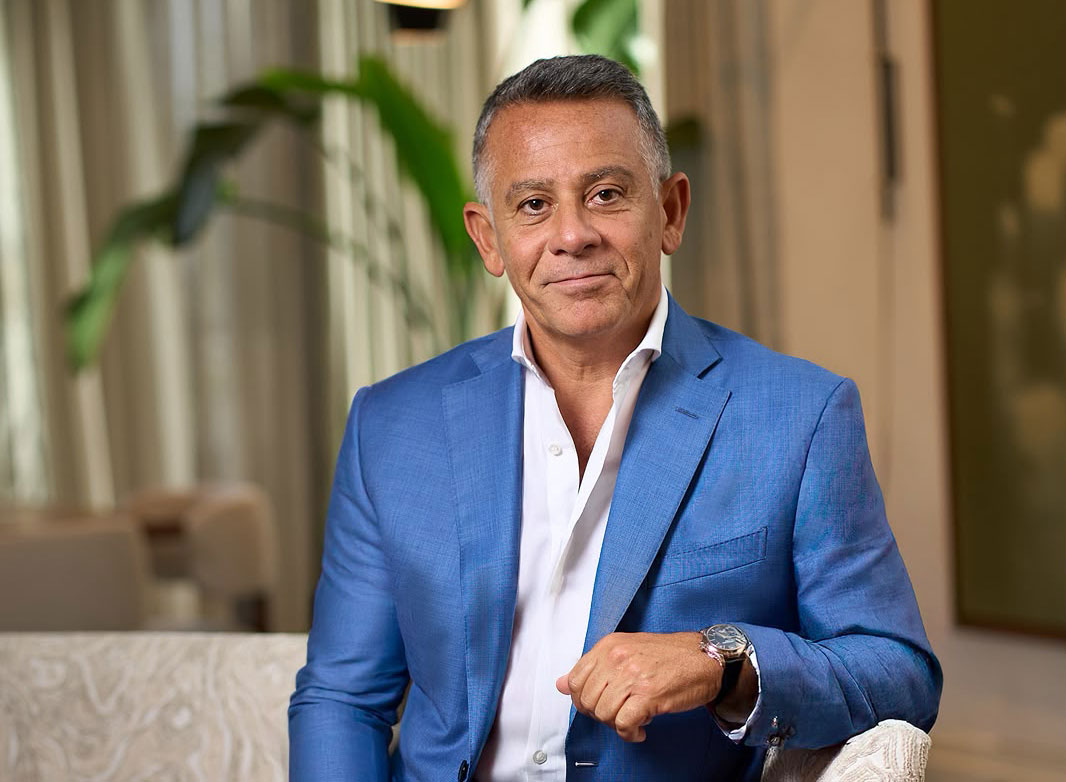
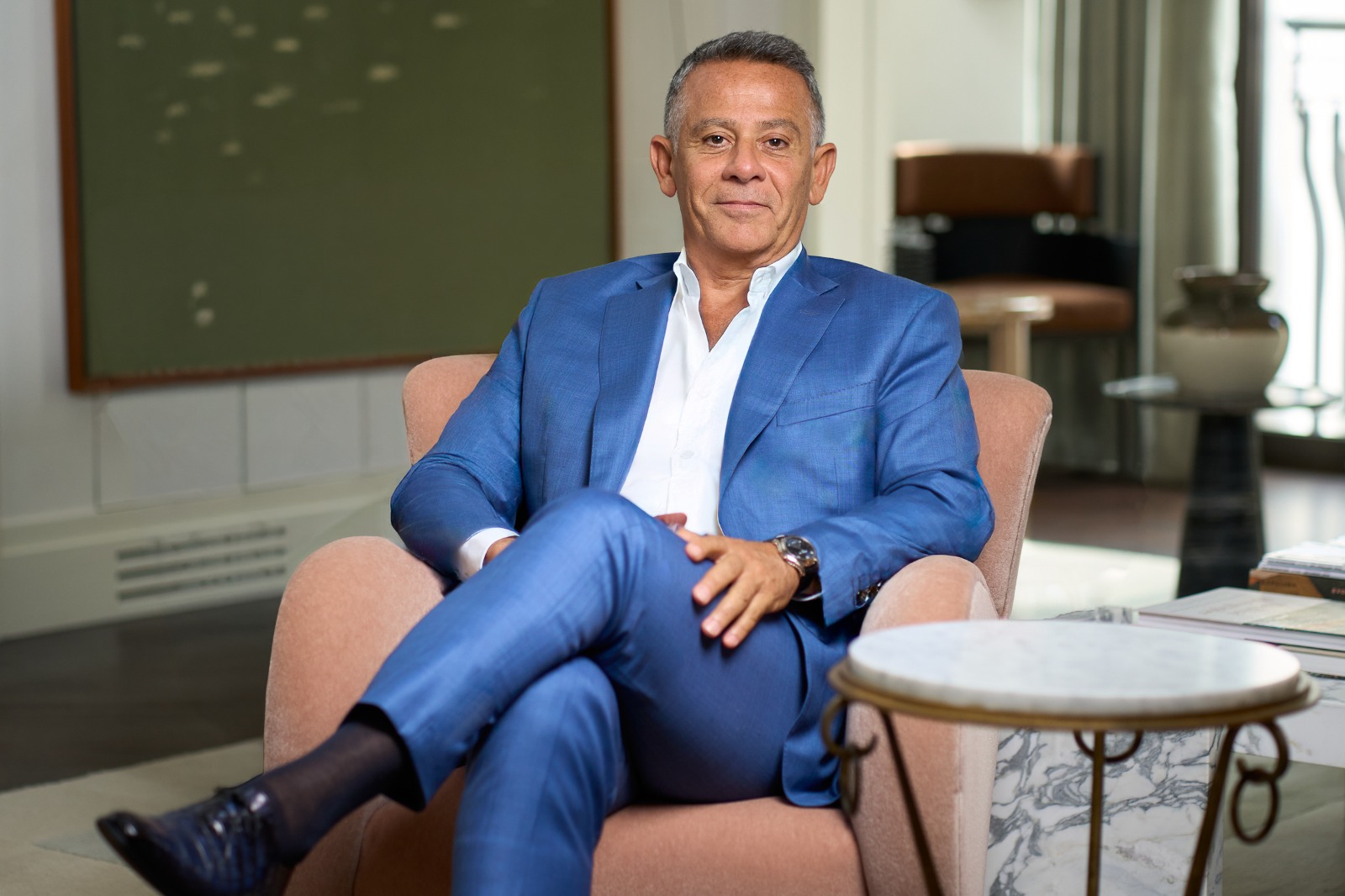
George Azar explains how specialisation, changing buyer expectations and a focus on quality have shaped his approach to building a luxury real estate brokerage in Dubai.
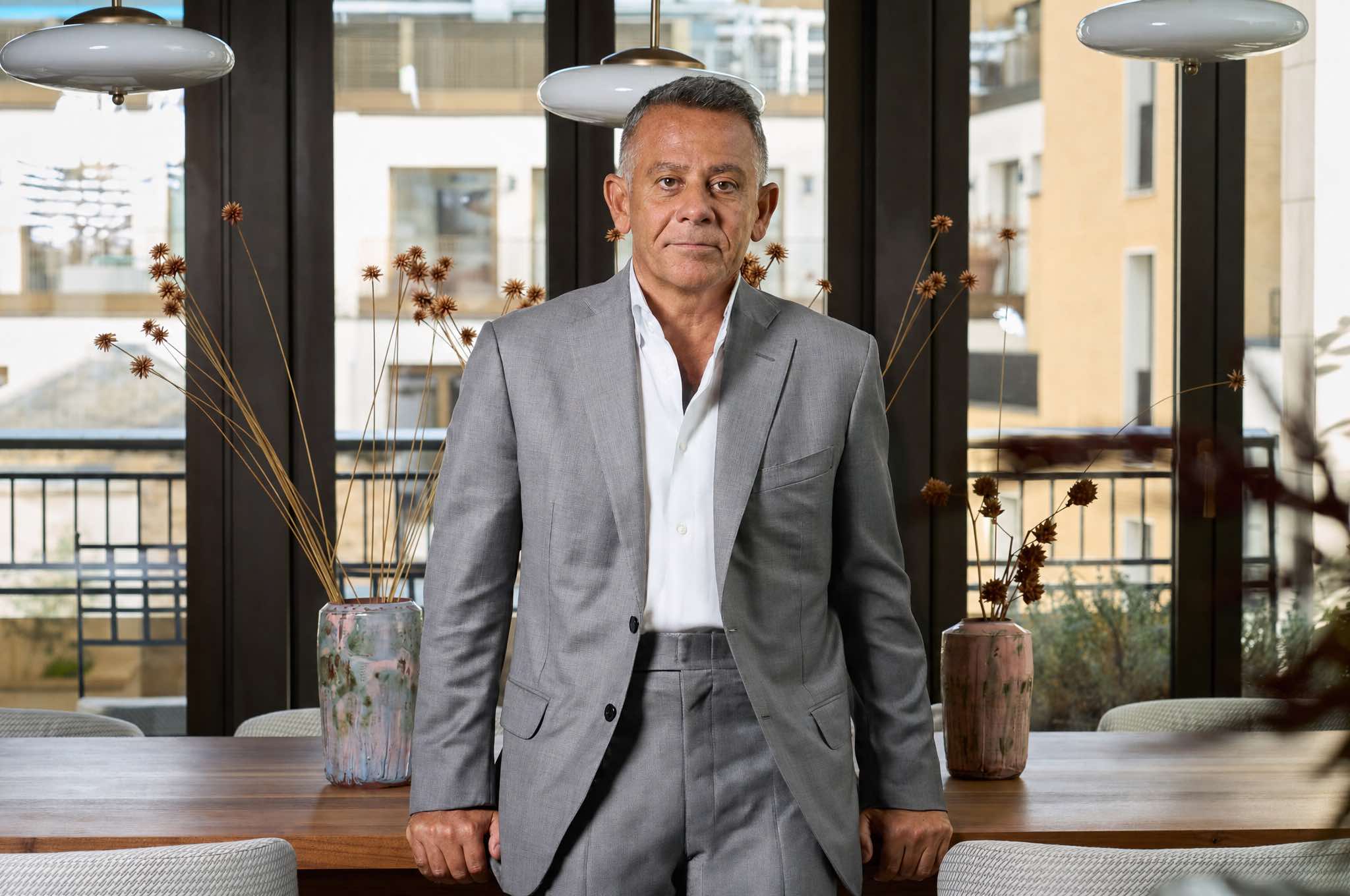
Dubai offers a continual stream of opportunities: new areas, developments, partnerships and client segments. Pursuing each one, however, is not the same as building a stronger business. Growth for its own sake can dilute expertise and weaken standards. I have seen the value of moving from a broad, generalist approach toward greater specialisation. Focus helps a company develop deeper knowledge, allocate resources more effectively and give clients a clearer understanding of what it does best. In luxury real estate, selectivity is part of the value proposition. Dubai’s real estate market has become more international and more sophisticated. Buyers bring different expectations, priorities and approaches to investment. The market is connected to global capital and competition, which creates opportunity while raising the standard expected of brokers and developers. When people ask me how Dubai compares to other major luxury real estate markets, I often point to the S-curve of development. We aren't at the beginning, but we are firmly within the first 30 percent of that growth phase. Dubai has a long runway ahead, not just in terms of population, but in its ability to attract the right people.

Why Build in Dubai?

What differentiates Dubai today is the caliber of talent we are importing. This is a city for those who believe in capitalism, for those who come here to work and succeed. While other parts of the world—particularly in Europe—are preoccupied with social welfare models and excessive bureaucracy, Dubai is focused on performance. Geographically, we are sitting on a gold mine. Positioned between India, Africa, and the larger Middle East, Dubai serves as the ultimate hub for a region where infrastructure, healthcare, and safety can be challenging. For the wealthy elite coming out of these massive, developing economies, Dubai is the Monaco of the Middle East. It is a tax haven, yes, but it is also a place where families can thrive, replete with excellent schools and a reputation for public safety. From an investment standpoint, the logic is undeniable. There is no inheritance tax on real estate, no taxation on capital gains, and your assets remain protected. We have also bridged the gap for international investors by establishing the DIFC (Dubai International Finance Centre) and ADGM (Abu Dhabi Global Market), which allow for common law structures within an Islamic jurisdiction. This gives investors the peace of mind they are accustomed to in New York or Paris while operating in a region that actually promotes wealth creation rather than stifling it. Even in matters of personal structure, the environment here is designed to protect assets, providing a level of predictability that many European jurisdictions have lost.

Read the Market—and Adapt

I’ve seen the market change dramatically over the last five years. It has matured rapidly. The demand from Europeans, Russians, and other international buyers who are tired of being taxed for policies they don't support has shifted the market. They brought with them expectations for high-quality finishes, sophisticated designs, and luxury features like panic rooms and private spas. These things were nearly impossible to find in Dubai just a few years ago. At Sotheby's, we focus on the super-prime sector, the $8 million-plus market. We’ve seen the product evolve from mass-market, generic builds to truly world-class residential offerings. Mistakes in quality still happen, of course, but the speed at which we correct and improve is what sets us apart. In the UK, it can take years just to get planning approval for a window; in Dubai, we are building at 100 miles an hour. Ultimately, it comes down to the "fast fish versus the slow fish." While other markets are paralyzed by red tape and a fear of progress, Dubai moves with purpose. Yes, Dubai will continue to change. Buyers’ priorities will evolve, new communities will emerge and expectations of service will develop. I cannot control the market, but I can control how prepared we are at Sotheby’s: whether we invest in people, improve our systems, listen carefully and maintain standards when shortcuts seem attractive. For me, leadership is not about being right every time. It is about recognising change, making considered decisions and building an organisation that can adapt without losing its identity. That is the standard I believe a luxury brokerage must meet—and the business I continue to work toward.
More updates

News & Insights